
What is the Lymphatic System?
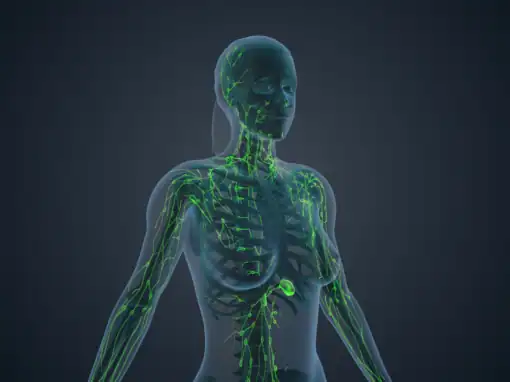
The lymphatic system is a vital network of organs, tissues, and vessels that work together to defend the body against infection, disease, and foreign substances. Often overlooked, yet equally essential to the circulatory and immune systems, the lymphatic system plays a crucial role in maintaining overall health and well-being.
Comprising a complex network of vessels, nodes, and organs, the lymphatic system acts as a filtering mechanism, removing toxins, waste products, and excess fluids from the body. It does so through a process called lymph circulation, where lymph fluid flows through the lymphatic vessels, carrying with it pathogens, debris, and other unwanted substances. This process helps to prevent infections from spreading and supports the immune system’s ability to fight off diseases.
In addition to its detoxifying functions, the lymphatic system also assists in the absorption of fats and fat-soluble vitamins from digested food. Furthermore, it helps regulate blood pressure, maintains fluid balance, and supports the proper functioning of various bodily processes, including digestion, metabolism, and waste removal.
In summary, the lymphatic system is a vital defense mechanism that works tirelessly behind the scenes to keep our bodies healthy, strong, and resilient.
Functions of the Lymphatic System
The powerful system performs several critical functions that contribute to maintaining overall health and well-being. These functions can be broadly categorized into three primary roles: defense, transportation, and regulation.
Defense Functions
The lymphatic nodes plays a vital defense role by providing protection against infection, disease, and foreign substances. It achieves this through the following mechanisms:
* Immune response: This system helps to activate the immune response by transporting immune cells, such as T-cells and B-cells, to areas of the body where they are needed to combat infections.
* Pathogen removal: Lymphatic vessels carry pathogens, such as bacteria and viruses, away from the site of infection and transport them to lymphoid organs, such as the spleen and lymph nodes, where they are destroyed.
* Antigen presentation: The lymphatic node system presents antigens to immune cells, which then mount a targeted response to eliminate the invading pathogen.
Transportation Functions
In addition to its defense functions, the lymphatic network also plays a crucial role in transporting essential substances. In addition to transporting toxins and waste from the body, it transports fats and fat-soluble vitamins throughout the body.
Components of the Lymphatic Network System
The lymphatic network consists of various components that work together to perform its diverse functions. Some of the key components of the lymphatic system include:
* Lymphatic vessels: These are thin-walled tubes that carry lymph fluid throughout the body. They are responsible for collecting and removing waste products, toxins, and excess fluids from tissues and returning them to the bloodstream.
* Lymph nodes: These small, bean-shaped organs filter lymph fluid and trap pathogens, trapping them until they can be destroyed by immune cells. There are approximately 600 lymph nodes in the human body, located primarily in the neck, armpits, groin, and abdomen.
* Spleen: This organ filters blood and removes old or damaged red blood cells, as well as traps pathogens and other foreign particles. The spleen also stores platelets and white blood cells.
* Thymus: Located in the chest cavity, the thymus is responsible for producing and maturing T-cells, which play a crucial role in cell-mediated immunity.
* Tonsils: These masses of lymphoid tissue are located in the back of the throat and play a role in filtering out pathogens and other foreign substances from the air we breathe.
How the Lymphatic System Works
The lymph system works through a complex network of vessels, organs, and cells that collaborate to defend the body against infection and disease. The process begins when lymph fluid, rich in white blood cells, flows through the lymphatic vessels and collects waste products, toxins, and excess fluids from tissues.
As the lymph fluid travels through the lymphatic vessels, it passes through the lymph nodes, where it is filtered and cleaned. Immune cells, such as dendritic cells and macrophages, present antigens to T-cells, triggering an immune response. Activated T-cells then travel to lymphoid organs like the spleen and lymph nodes to destroy infected cells and produce antibodies.
Meanwhile, the spleen filters the blood, removing old or damaged red blood cells and trapping pathogens. It also stores platelets and white blood cells, releasing them as needed to combat infections. The thymus produces and matures T-cells, while the tonsils filter out pathogens from the air we breathe.
When the lymph fluid reaches the lymphatic ducts, it empties into the bloodstream, allowing the body to eliminate waste products and toxins. In addition, the lymphatic system plays a crucial role in maintaining proper blood pressure and regulating the body’s fluid balance.
Importance of the Lymph Nodes
The lymph system plays a vital role in maintaining overall health and well-being. Its importance cannot be overstated, as it provides numerous benefits to the body. Firstly, the lymphatic system helps to prevent infection and disease by filtering out pathogens and foreign substances from the body. This is achieved through its ability to detect and remove abnormal cells, such as cancerous cells, before they can cause harm.
Secondly, the lymph system helps to regulate the body’s fluid balance by removing excess fluids and waste products. This is essential for maintaining proper blood pressure and preventing conditions such as edema and swelling. Additionally, the lymphatic system plays a crucial role in maintaining the health of other bodily systems, including the immune system, respiratory system, and digestive system.
Furthermore, the lymphatic system is responsible for transporting fats and fat-soluble vitamins throughout the body, which is essential for maintaining healthy skin, hair, and nails. It also helps to remove toxins and waste products from the body, which can reduce the risk of chronic diseases such as heart disease, diabetes, and certain types of cancer.
In summary, the lymphatic system is essential for maintaining overall health and well-being.
Common Lymph System Disorders
The lymphatic system is a complex network that plays a vital role in maintaining overall health and well-being. While it functions efficiently most of the time, there are instances where it may malfunction or become impaired, leading to various disorders. In this section, we’ll explore some common lymphatic system disorders that affect millions of people worldwide.
Lymphedema: One of the most prevalent lymphatic system disorders is lymphedema, characterized by excessive fluid accumulation in tissues due to faulty lymphatic drainage. This condition can occur congenitally or develop later in life, often following surgery, radiation therapy, or trauma. Symptoms include swelling, pain, and stiffness in affected limbs.
Lymphangitis: Another common disorder is lymphangitis, an inflammatory condition that affects the lymph vessels. It typically occurs when bacteria or viruses infect the lymph nodes, causing inflammation and swelling along the affected limb. Symptoms include redness, warmth, and tenderness in the affected area.
Hodgkin Lymphoma: Hodgkin lymphoma is a type of cancer that originates in the lymph nodes. Characterized by the presence of Reed-Sternberg cells, this disease can spread to other parts of the body if left untreated.
Factors Affecting Lymphatic System Function
The lymphatic system’s ability to function optimally relies on various factors. These factors can either positively or negatively impact its performance, potentially leading to disorders or impairments. Some key factors that influence lymphatic system function include:
* Genetics: Congenital conditions, such as lymphedema, can be inherited from one’s parents. Genetic mutations can affect the development and functioning of the lymphatic system.
* Age: As people age, their lymphatic system naturally undergoes changes, which can lead to decreased functionality. This decline can increase the risk of developing lymphatic system disorders.
* Diet: A diet rich in processed foods, sugar, and unhealthy fats can contribute to inflammation and oxidative stress, potentially disrupting lymphatic system function.
* Environmental Toxins: Exposure to environmental toxins, such as pesticides, heavy metals, and pollutants, can compromise the lymphatic system’s ability to filter out waste products and pathogens.
* Infections: Certain infections, such as viral and bacterial illnesses, can trigger an inflammatory response that affects the lymphatic system’s functioning.
Maintaining a Healthy Lymphatic System
Maintaining a healthy lymphatic system is crucial for optimal immune function and overall well-being. A well-functioning lymphatic system helps remove toxins, waste products, and pathogens from the body, thereby reducing the risk of diseases and disorders. Here are some tips to promote lymphatic system health:
* Stay Hydrated: Adequate hydration is essential for maintaining proper fluid circulation and lymph flow. Drink plenty of water throughout the day to keep your lymphatic system functioning efficiently.
* Exercise Regularly: Engage in regular physical activity, such as yoga, swimming, or cycling, to stimulate lymphatic drainage and improve circulation. Exercise also helps reduce inflammation and promotes overall health.
* Eat a Balanced Diet: Consume a diet rich in fruits, vegetables, whole grains, lean proteins, and healthy fats. Avoid processed foods, sugary snacks, and excessive salt intake, which can impede lymphatic system function.
* Manage Stress: Chronic stress can weaken the immune system and compromise lymphatic function. Practice stress-reducing techniques, such as meditation, deep breathing exercises, or yoga, to manage stress levels.
* Get Enough Sleep: Adequate sleep is vital for immune system function and lymphatic system maintenance.
Preventive Measures for Lymphatic System Issues
To prevent lymphatic system issues, it is essential to adopt a holistic approach that combines lifestyle changes, dietary modifications, and stress management techniques. Here are some preventive measures to consider:
* Wear Comfortable Clothing: Tight clothing can constrict lymphatic vessels, hindering their ability to drain properly. Wear loose, comfortable clothing to ensure unrestricted blood flow and lymphatic circulation.
* Avoid Heavy Makeup and Hair Products: Chemical-laden makeup and hair products can clog pores and impair lymphatic function. Opt for natural, gentle products instead.
* Practice Good Posture: Poor posture can compress lymphatic vessels, leading to reduced circulation and impaired drainage. Maintain good posture to avoid putting unnecessary pressure on your lymphatic system.
* Avoid Exposure to Toxins: Limit exposure to environmental toxins, such as pesticides, heavy metals, and pollutants, which can damage lymphatic tissue and disrupt its function.
* Use Natural Cleaning Products: Replace harsh chemical-based cleaning products with natural alternatives to minimize exposure to toxic substances that can harm your lymphatic system.
* Conduct Regular Self-Care Routines: Engage in self-care practices, such as dry brushing, massage therapy, and acupuncture, to stimulate lymphatic drainage and promote overall wellness.
Conclusion: The Vital Role of the Lymphatic System
In conclusion, the lymphatic system plays a vital role in maintaining our overall health and well-being. As the unsung hero of our immune system, it works tirelessly behind the scenes to defend against infections, remove toxins, and regulate fluid balance. By understanding its functions, components, and importance, we can better appreciate the intricate mechanisms that keep us healthy.
Furthermore, recognizing common disorders and factors affecting lymphatic function empowers us to take proactive steps towards maintaining a healthy lymphatic system. Remember, a strong lymphatic system is crucial for fighting off diseases, and by incorporating preventive measures and adopting a balanced lifestyle, we can optimize its performance and enjoy optimal wellness.
In summary, the lymphatic system is the ultimate guardian of our health, and it’s essential to prioritize its care to ensure a long and healthy life. By doing so, we can harness its remarkable potential and live a life filled with vitality, energy, and resilience.



0 Comments